
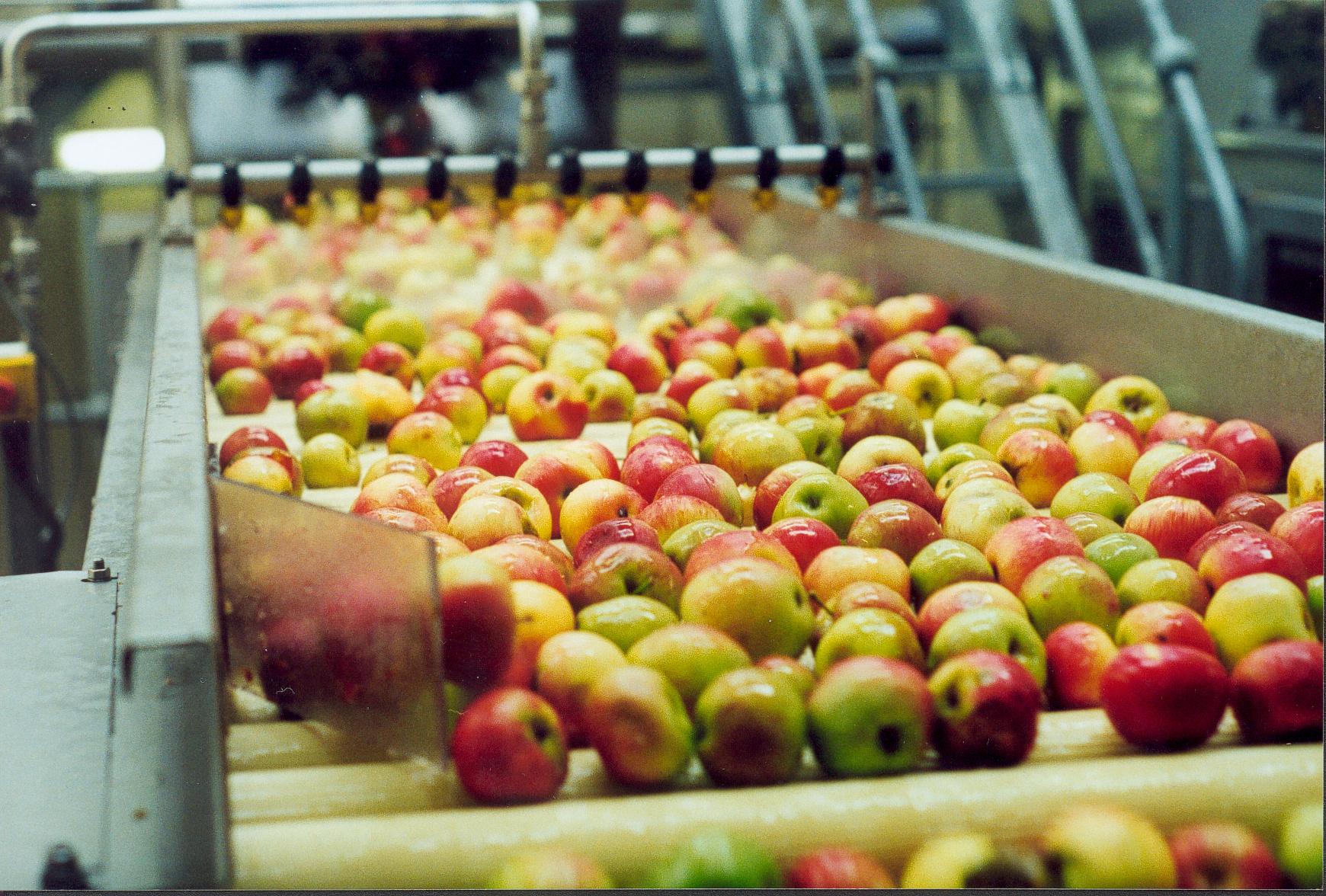
Cider, an alcoholic drink, made from fermented apple juice, is staging what some consider to be a long overdue comeback in America, aided by the country's top brewers launching ciders and armed with hefty marketing budgets.
Cider was popular in the United States even before Revolutionary times. But it lost a lot of its following when immigrants from Germany and elsewhere introduced beer to the United States.
Today, hundreds of ciders, with tastes ranging from sticky sweet to crisp and dry, account for about 1 percent of the total U.S. beer market. Some people in the industry expect that percentage will soon be 3 percent, 5 percent or higher.
Sales of cider are growing much faster than other alcoholic drinks, even craft beer. Industry experts attribute the growth to several factors, including that people are eager to try a wider variety of flavors in what they eat and drink. At the same time, apples are gluten-free, and gluten-free drinks have gained wider appeal.
The volume of cider sold in the United States grew more than fourfold from 2008 to 2013, while beer volume declined, according to data from Euromonitor International. Cider was a nearly $1.32 billion industry in the United States last year, and Euromonitor expects cider sales to jump 43 percent this year.
One reason for the growth is the marketing budgets behind three of the largest cider brands in the country: Boston Beer Co. Inc.'s Angry Orchard, which launched nationally in 2012; Smith & Forge, made by MillerCoors; and Johnny Appleseed, made by Anheuser-Busch InBev, the world's largest beer company.
